
The Future of Sustainable Buildings in UAE: Innovations and Impacts


Introduction to Sustainable Buildings in the UAE
The United Arab Emirates is at the forefront of innovative architectural design, with a growing emphasis on sustainable buildings. As environmental consciousness increases, the UAE is pioneering efforts to reduce carbon footprints and enhance energy efficiency in its infrastructure. This focus on sustainability is not just a trend but a transformative movement impacting the construction industry.
Innovative Technologies Shaping the Future
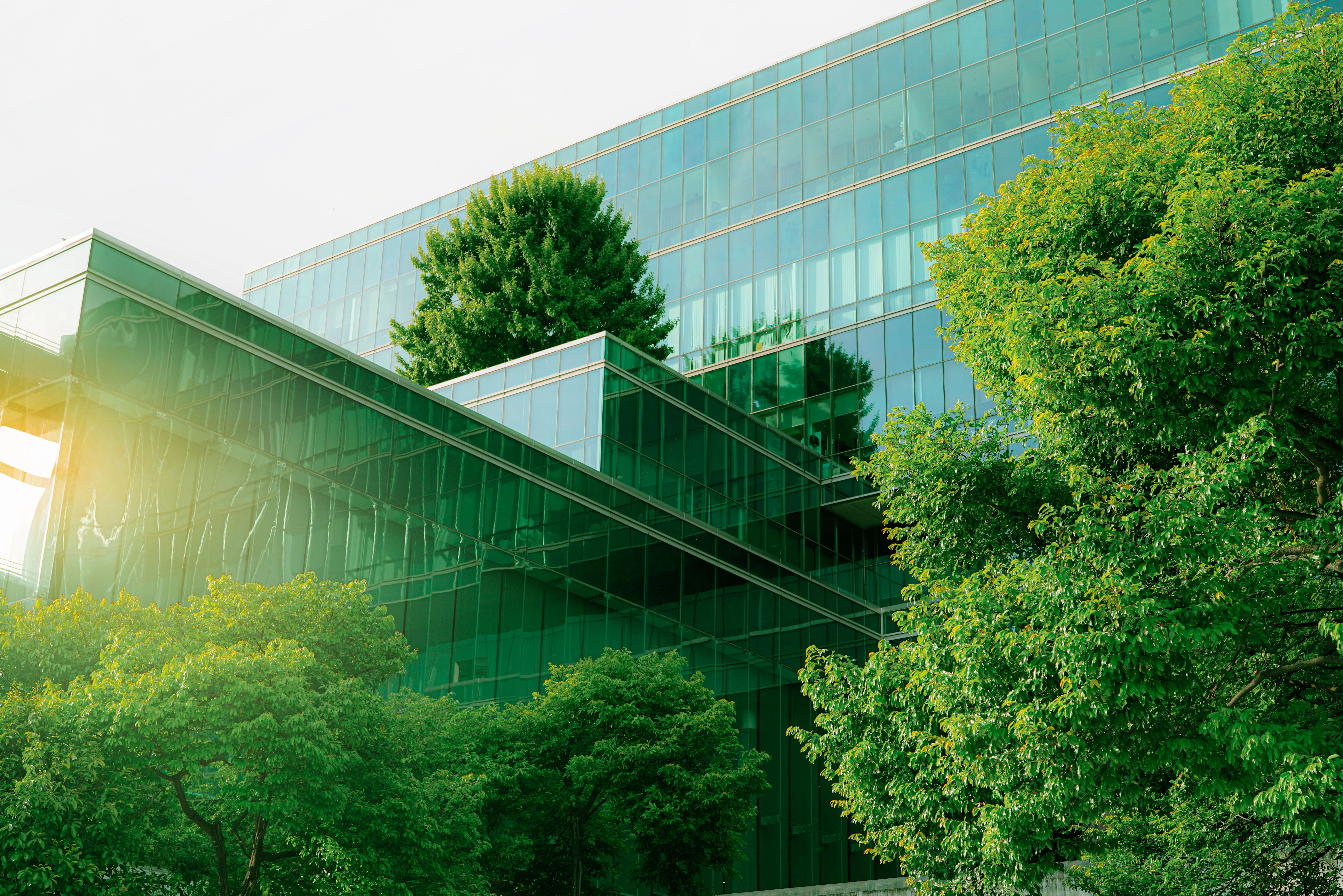
The integration of cutting-edge technologies is crucial to the development of sustainable buildings in the UAE. One such innovation is the use of smart building systems. These systems utilize IoT devices to monitor and optimize energy consumption, ensuring that resources are used efficiently. Additionally, advancements in materials like self-healing concrete and photovoltaic glass are making buildings more resilient and energy-efficient.
Another promising technology is the use of modular construction. This approach reduces waste and speeds up building processes by assembling prefabricated sections on-site. These innovations are not only environmentally friendly but also cost-effective, making them attractive to developers and investors alike.
Government Initiatives and Regulations
The UAE government plays a pivotal role in promoting sustainable building practices. Initiatives such as the UAE Vision 2021 and the Dubai Clean Energy Strategy 2050 set ambitious goals for reducing carbon emissions and increasing the use of renewable energy. These policies encourage developers to adopt sustainable practices, offering incentives for buildings that achieve high sustainability ratings.
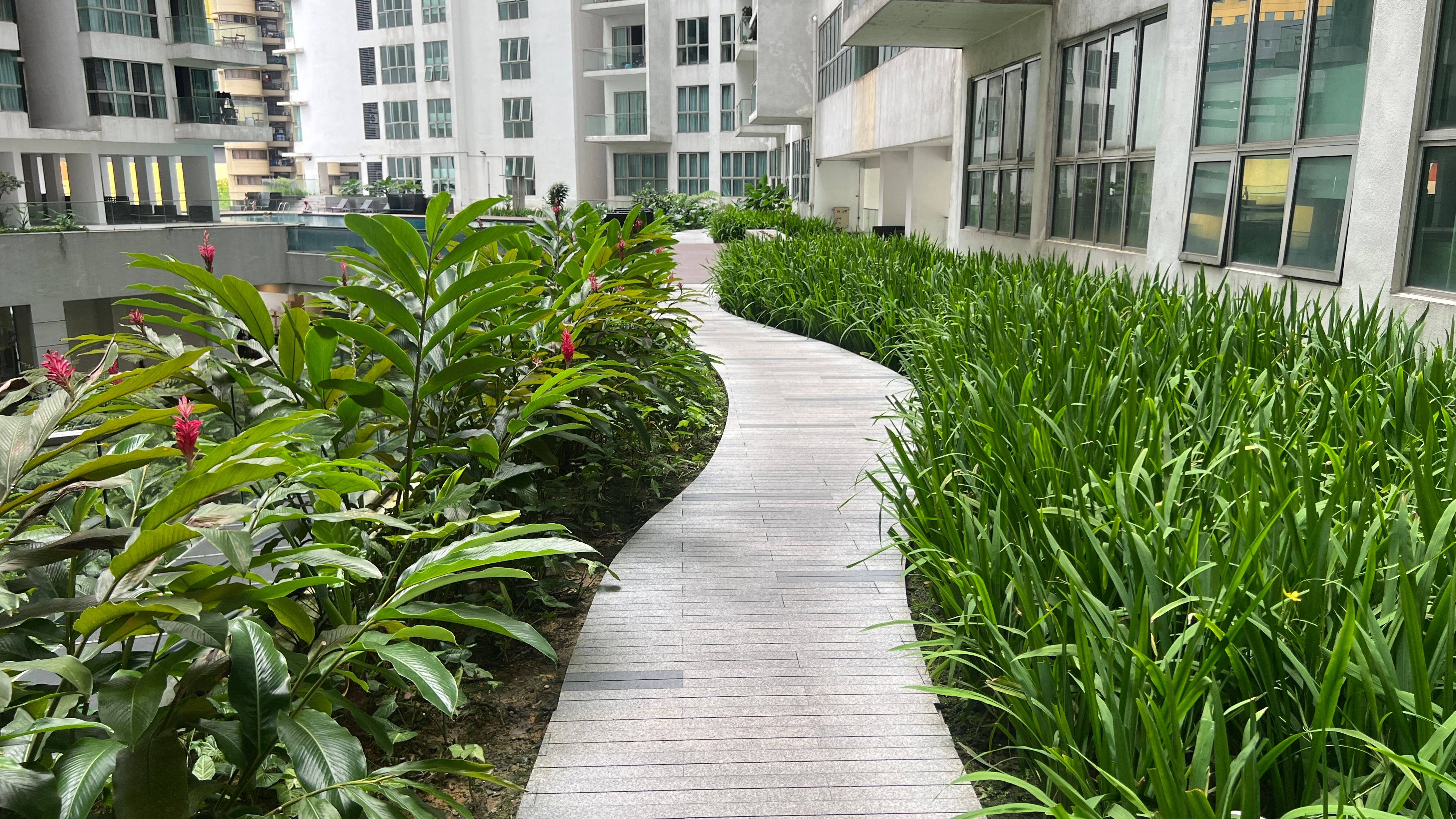
Furthermore, regulatory frameworks like the Estidama Pearl Rating System in Abu Dhabi and the Al Sa’fat system in Dubai provide guidelines for sustainable design and construction. These standards ensure that new buildings contribute positively to the environment and the community.
Economic and Environmental Impacts
The shift towards sustainable buildings in the UAE has significant economic and environmental impacts. Economically, sustainable buildings can reduce operating costs through energy savings and increased efficiency. They also tend to have higher property values and attract tenants looking for eco-friendly spaces.
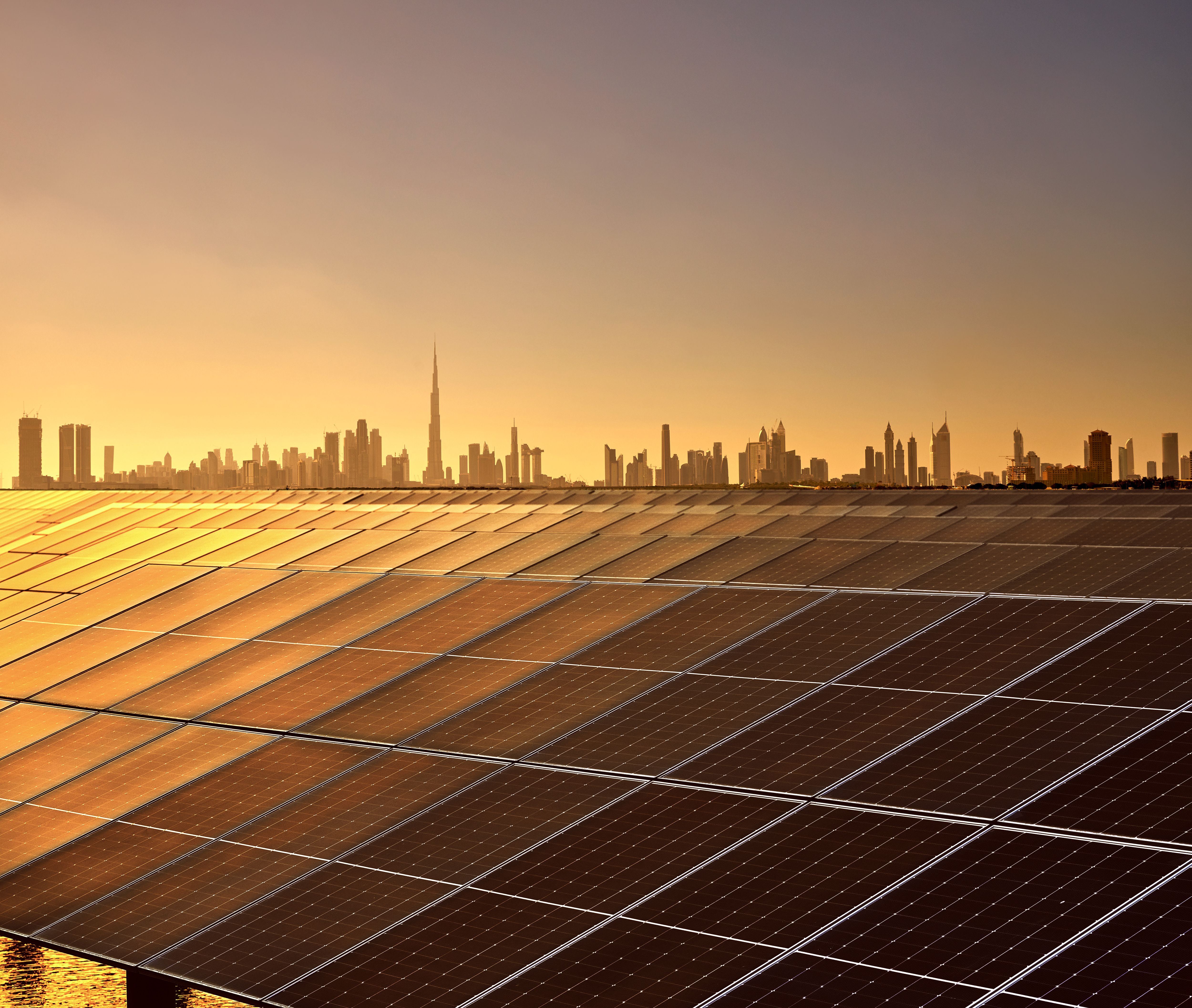
Environmentally, sustainable buildings contribute to the reduction of greenhouse gas emissions and resource consumption. By utilizing renewable energy sources such as solar and wind, these buildings help mitigate the effects of climate change and preserve natural resources for future generations.
Challenges and Opportunities
While the future of sustainable buildings in the UAE is promising, there are challenges to overcome. High initial costs and a lack of public awareness can hinder the adoption of sustainable practices. However, these challenges present opportunities for innovation and education.
By investing in research and development, the UAE can continue to lead in sustainable architecture. Additionally, public awareness campaigns can educate citizens and businesses about the benefits of sustainable buildings, driving demand and further innovation.
Conclusion
The UAE is setting a global example with its commitment to sustainable building practices. Through innovative technologies, supportive government policies, and a focus on economic and environmental benefits, the country is paving the way for a more sustainable future. As these efforts continue, the UAE will undoubtedly remain a leader in the sustainable building movement.